

Blog
Why Are Crystals So Popular in 2026? Spiritual, Scientific & Trend Reasons

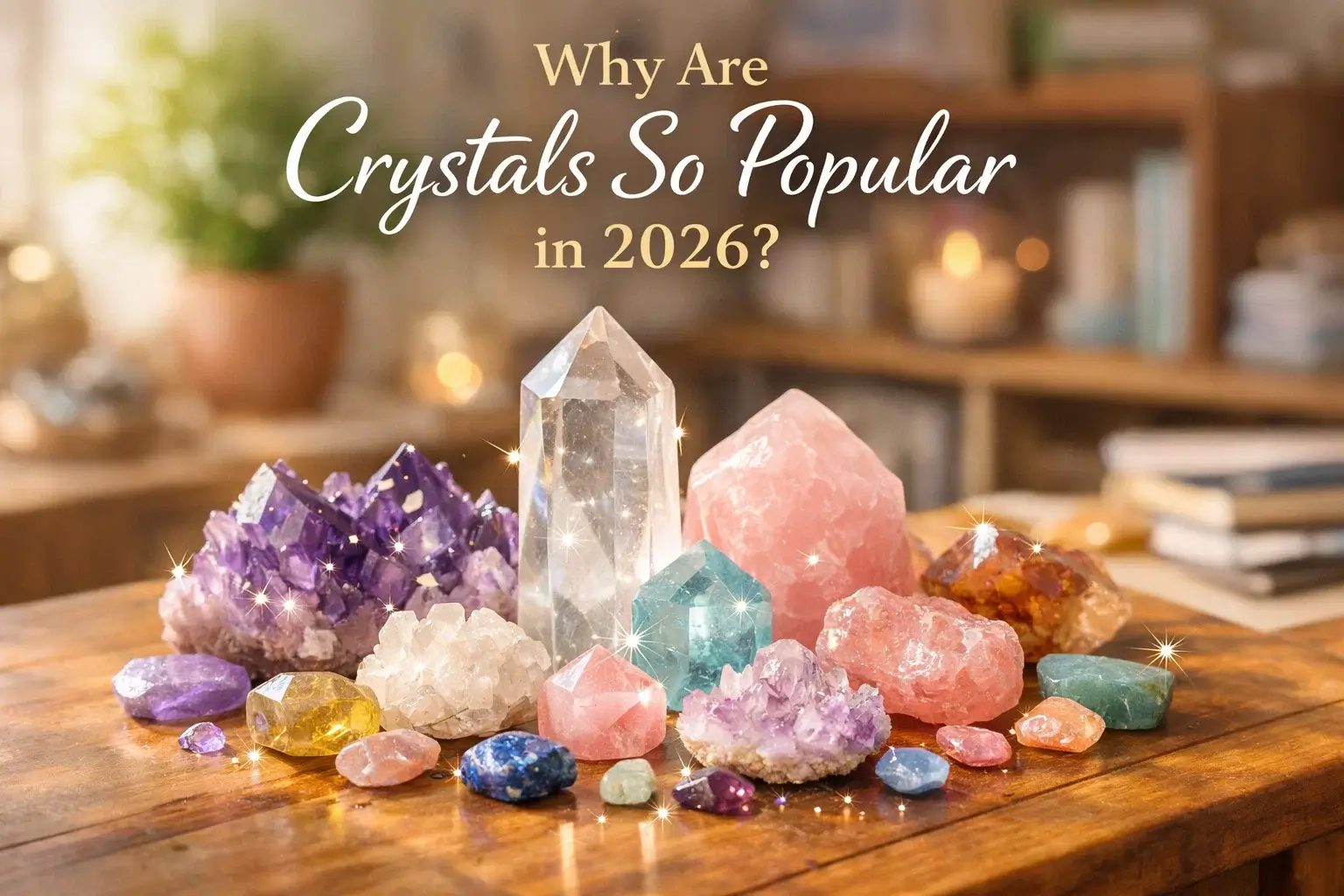
Crystals are popular in 2026 because many people use them as simple reminders for calm, focus, and balance in daily life. You see them in homes, workspaces, and personal routines, not as rare objects but as familiar items.
Crystals work like a wristwatch. A watch does not control time, but it helps you stay aware of it. In the same way, crystals help people pause and reflect during busy days.
Their popularity comes from three areas: spiritual habits, scientific interest in belief and behavior, and modern lifestyle trends shaped by self-care and design. This article explains how each reason connects to everyday life and why crystals continue to matter in 2026.
The Core Reason Crystals Are Popular in 2026
Crystals are popular in 2026 because people use them as simple reminders to stay calm and focused during busy days. Life feels rushed, and many people want something steady that does not demand time or attention.
A crystal can sit on a desk or near a bed and act like a pause button. For example, someone working long hours may touch a crystal during breaks to reset their focus. It does not fix problems, but it helps create a moment of calm, which is why crystals remain common today.
Spiritual Reasons People Use Crystals Today
Many people turn to crystals for spiritual reasons because they want quiet, steady habits that help them feel centered. These habits are personal and simple, often tied to daily routines rather than formal rituals. Crystals offer a physical object that helps people slow down and stay present for a moment.
Crystals as Personal Support Tools
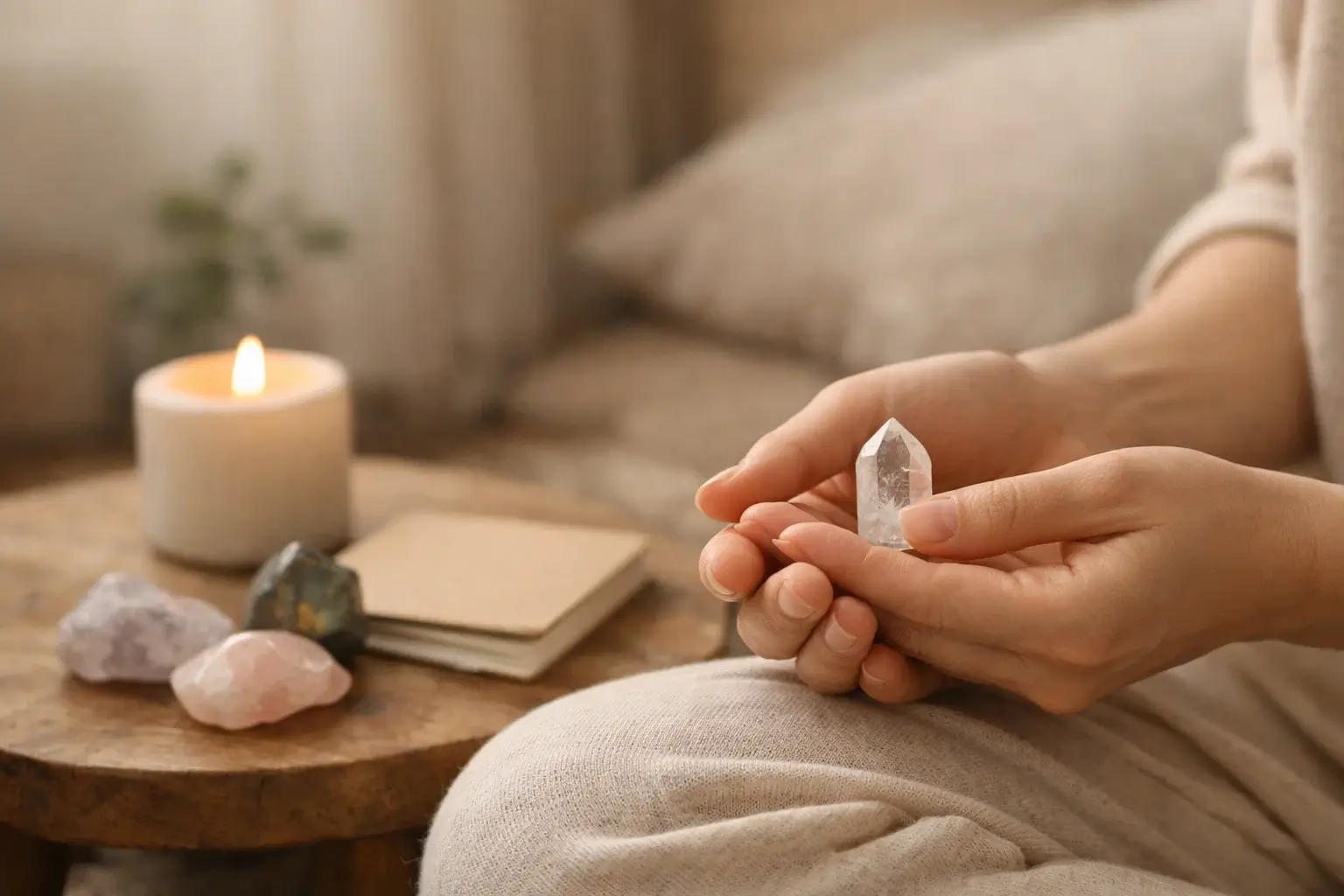
People use crystals as personal support tools to help manage emotions like stress, restlessness, and mental overload. Many keep them close during daily routines to support calm, sleep, or focus. The crystal acts as a quiet cue, not a solution. For example, someone feeling tense at night may place a crystal near the bed as a signal to slow down and prepare for rest. The comfort comes from routine, not claims. Over time, that routine helps the mind settle.
Connection to Belief Systems
Crystals fit into belief systems as symbols used during meditation, prayer, or intention-setting. People often hold a crystal while sitting quietly, saying a prayer, or setting a goal for the day. These actions keep attention on one clear thought. No special powers are required for this practice. For beginners, a crystal simply marks a moment of focus, like sitting in the same spot each day to reflect. This makes spiritual habits easier to repeat.
Scientific and Psychological Interest in Crystals
Crystals draw interest because they show how belief and physical objects influence behavior. This focuses on the mind’s response and natural crystal structures, not spiritual claims.
Placebo Effect and Human Behavior
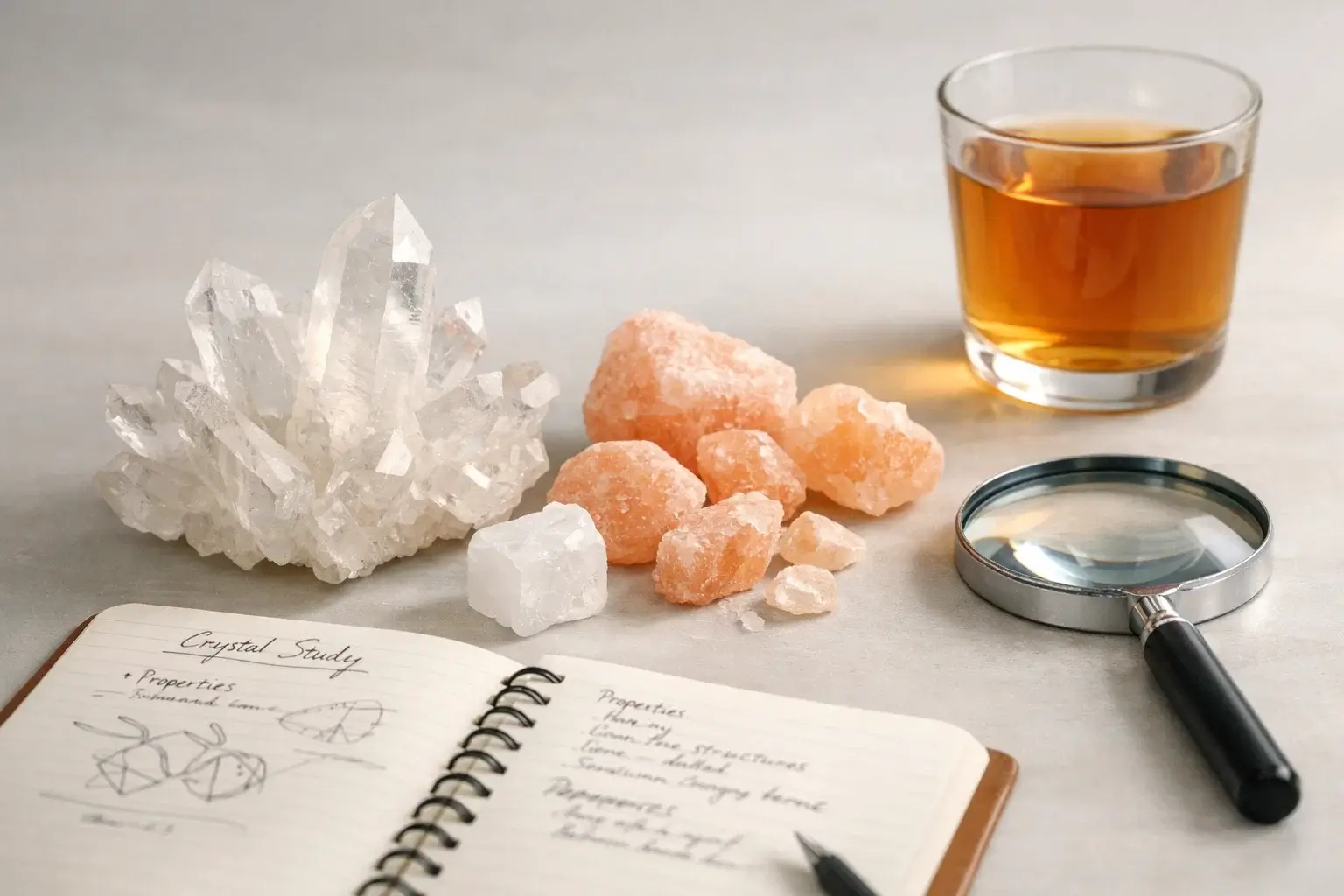
The placebo effect means belief can cause real changes in mood or habits. If someone thinks a crystal helps calm them, that belief may reduce stress. It works like a bedtime routine; drinking warm tea signals the body to relax, though the tea itself doesn’t cause sleep. Crystals act as simple mental reminders, not medicine.
Material Science and Crystal Structure
Crystals form when atoms arrange in a repeating pattern. This structure affects strength and other properties and is studied in physics and chemistry. Examples include salt and diamonds. Science explains how crystals work physically but does not support spiritual or emotional claims.
Social Media and Lifestyle Trends Driving Demand
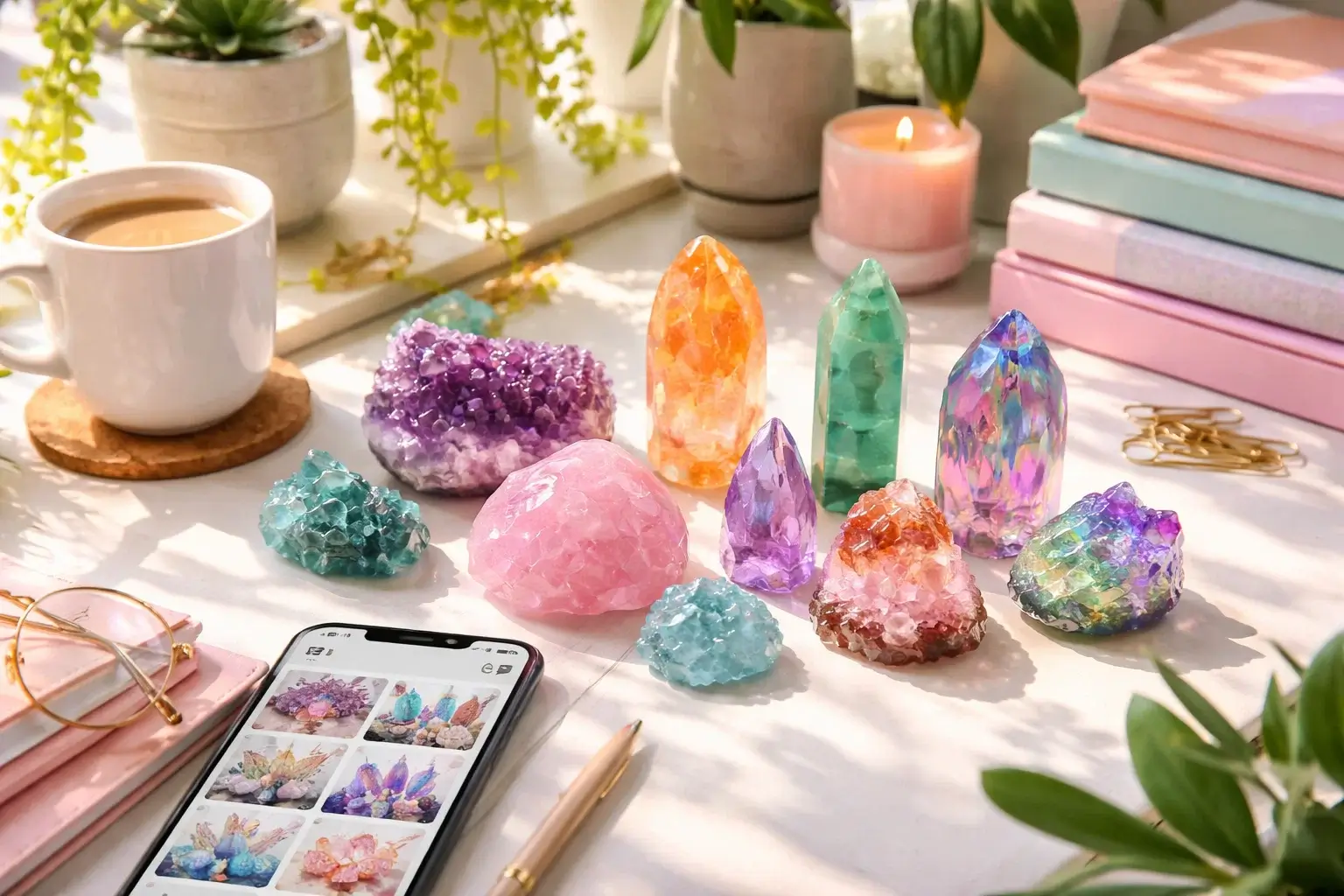
Crystals are popular in homes and workspaces because they look pleasing and fit easily into daily habits. People often place them where they can see and touch them, making crystals part of routines that help build focus or calm. Their shapes and colors add a simple touch to rooms, like plants or photos. This makes them easy to include without extra effort.
Visual Appeal and Daily Habits
Crystals catch the eye with their natural shapes and colors, making them common in personal spaces. People use them as quiet reminders during work or rest. For example, someone might keep a small crystal on their desk to hold attention during busy workdays. Over time, this becomes a habit that helps create calm moments in a fast-paced life.
Influence of Online Creators
Online creators share stories and images of crystals, which increases their visibility and popularity. When people see crystals often in posts or videos, it encourages them to try using them too. This repeated exposure helps build interest without promises or pressure. The appeal grows simply because crystals become part of daily conversation and lifestyle sharing.
Wellness Culture and Self-Care Choices in 2026
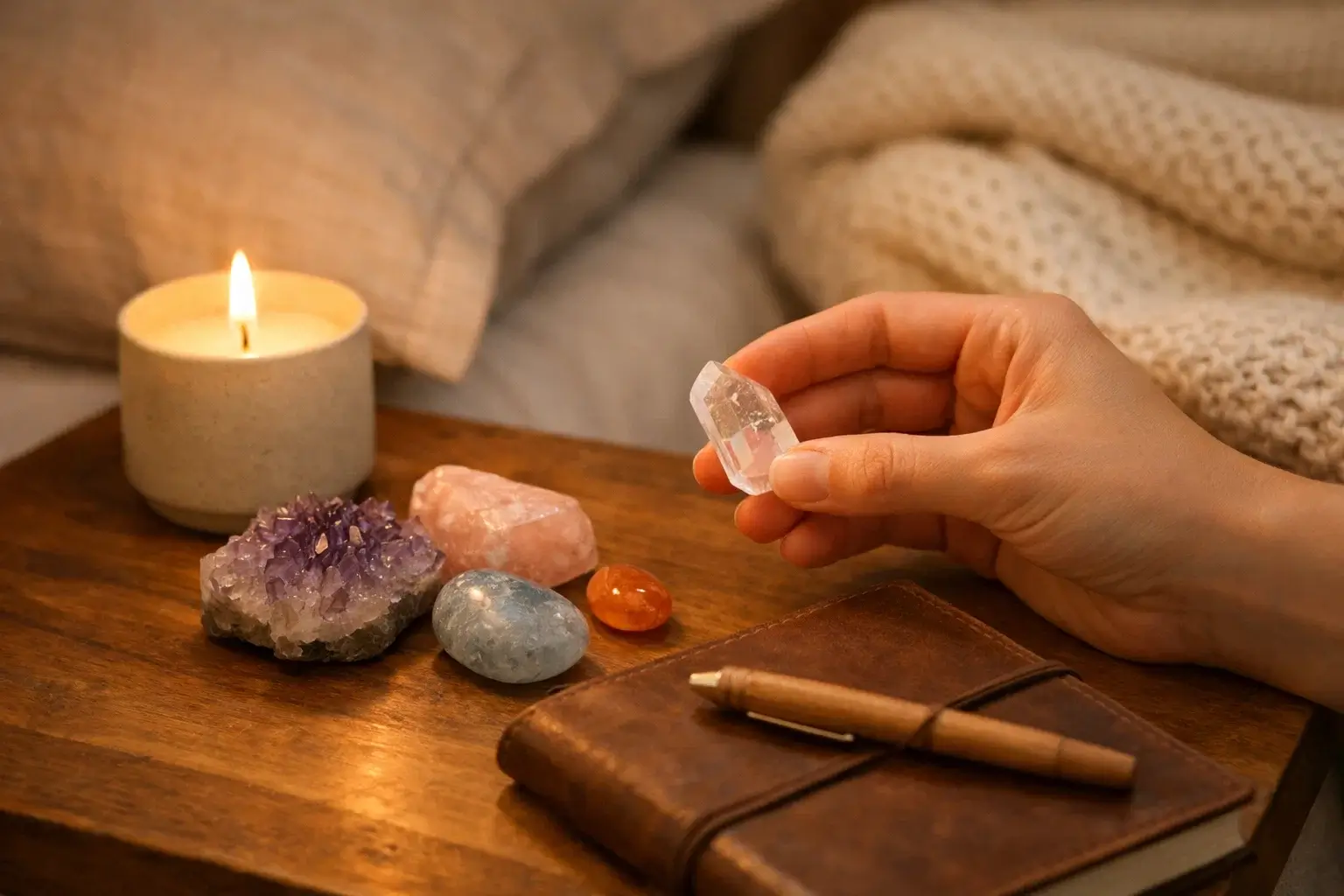
Many people choose crystals because they are simple, low-cost tools that fit easily into self-care routines. Like journaling or lighting a candle, crystals offer a quiet way to slow down and focus without much effort or expense. This makes them accessible to most people looking for small ways to care for themselves.
Low-Cost Personal Rituals
Crystals are popular as part of easy self-care habits that don’t take much time or money. People use them like they would a notebook or candle—something to create a calm moment or mark a break in the day. Their affordability and simplicity make them practical for daily use.
Control in Uncertain Times
Routines help people feel steady when life feels unpredictable. Crystals act as symbols that support calm and focus, not cures. Holding or seeing a crystal can remind someone to breathe or pause. This small control helps people manage stress in a clear, practical way without expecting miracles.
Are Crystals a Passing Trend or Long-Term Interest?
Crystals are likely to remain a steady part of wellness routines rather than just a passing trend. Similar to past habits like using essential oils or keeping journals, crystals offer simple, repeatable actions that help people feel calm and focused.
People tend to keep practices that fit easily into daily life and provide comfort without much effort. Because crystals serve as gentle reminders rather than quick fixes, they match how many approach self-care over time. This practical use suggests crystals will continue to hold interest well beyond today’s trends.
Conclusion
Crystals are popular in 2026 because they offer simple reminders to stay calm and focused in busy lives. They fit easily into homes and routines, helping people pause and reflect like a watch helps track time.
Their appeal comes from spiritual habits, scientific understanding of belief, and lifestyle trends. Crystals serve as tools for emotional balance and symbols during meditation. Social media keeps them visible, while their low cost makes them easy to use.
Because they provide steady comfort without effort, crystals are likely to remain a part of wellness routines beyond today’s trends
Frequently Asked Questions (FAQ) About Crystals in 2026
Why are crystals so popular in 2026?
Crystals are popular because many people use them as simple reminders to stay calm, focused, and balanced throughout busy days. They fit easily into daily routines and personal spaces.
Do crystals have scientific benefits?
While crystals have no proven healing powers, science shows that belief in them can influence mood through the placebo effect. Their physical structures are also studied in physics and chemistry.
How do people use crystals spiritually?
People use crystals as symbols during meditation, prayer, or intention-setting. Holding or placing a crystal can help focus the mind and create calm moments.
Are crystals just a passing trend?
Crystals are more than a trend because they offer simple, repeatable habits that help people feel steady and calm. Similar to journaling or lighting candles, they fit well into long-term wellness routines.
How does social media affect crystal popularity?
Online creators share images and stories about crystals, increasing their visibility and encouraging more people to include them in daily life without pressure.
Can crystals replace medical treatment?
No. Crystals are tools for focus and calm but are not medical treatments. They work best as part of personal routines, not as cures.


