

Blog
How to Cleanse Your Crystals: A Complete Step-by-Step Guide

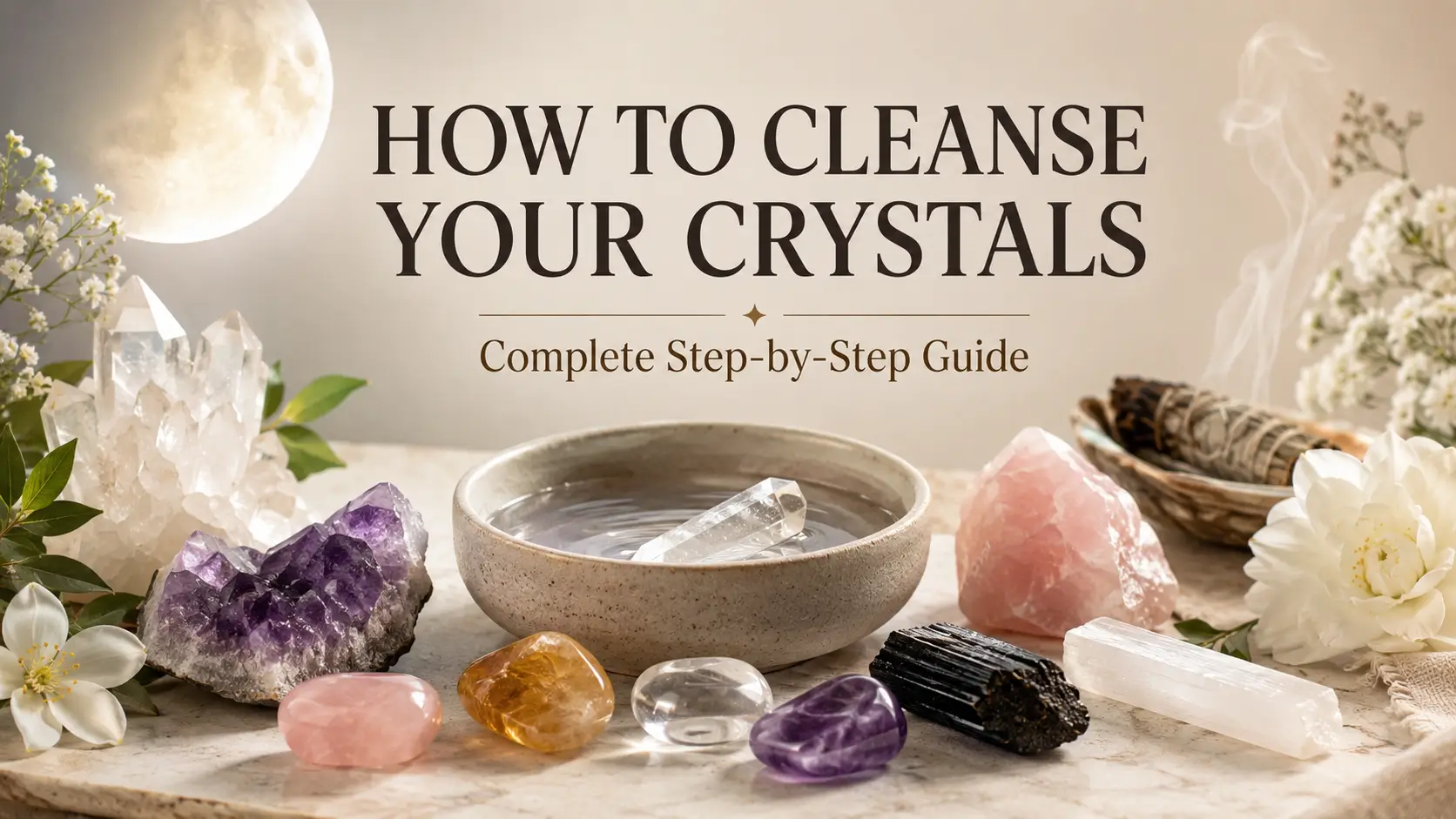
In crystal-healing traditions, crystals are believed to pick up energy everywhere they go. From the moment a stone is mined, it passes through many hands before it reaches you — miners, cutters, shop owners, and other shoppers. Many crystal enthusiasts choose to cleanse a crystal soon after bringing it home, and to repeat the practice regularly as part of their ongoing care routine.
The good news is that cleansing your crystals doesn’t need to be complicated. In this guide, you’ll learn nine simple, beginner-friendly methods used in crystal cleansing, how to tell when your crystals might need attention, and which methods are safer for which stones.
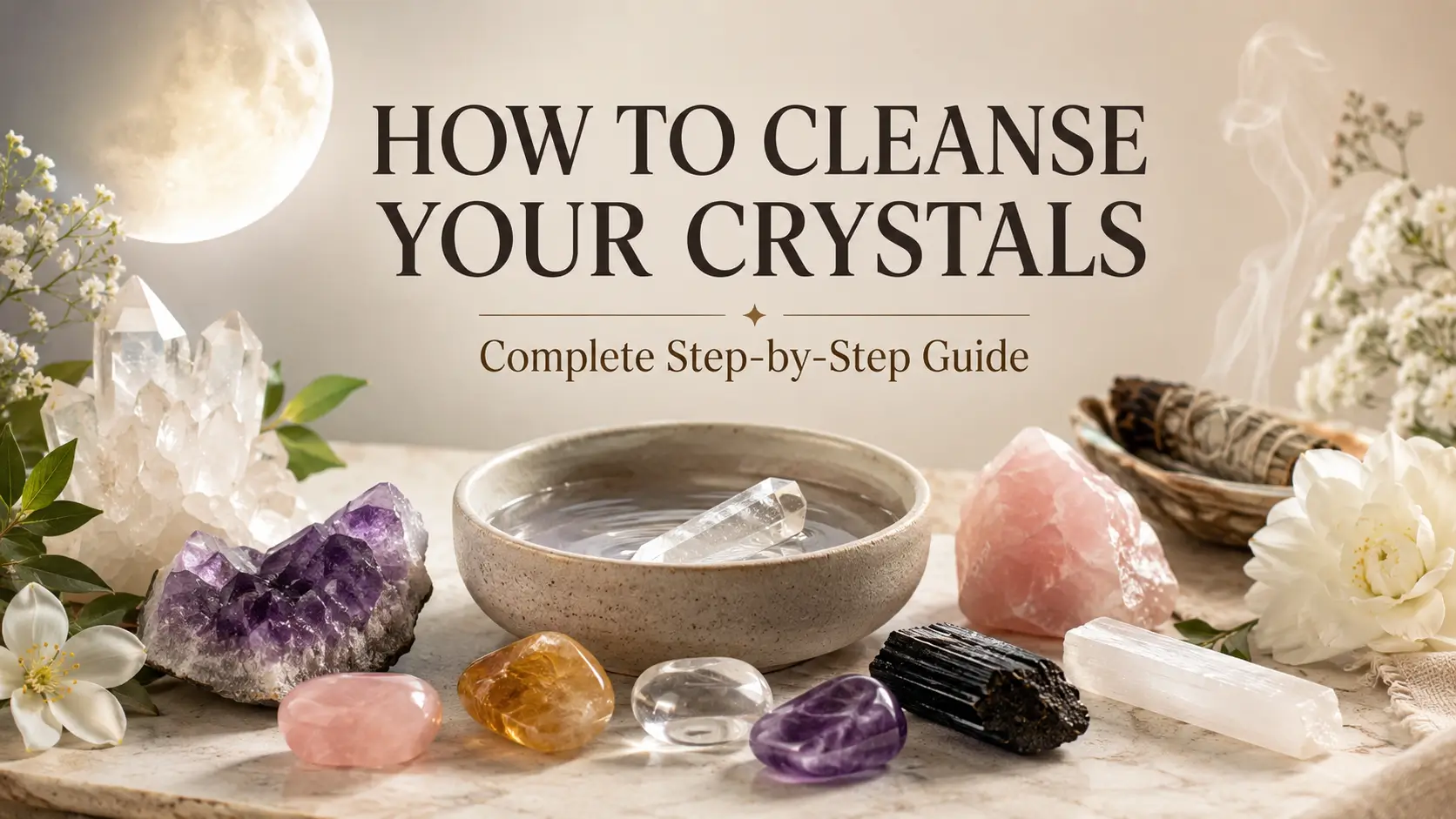
Why Do People Cleanse Crystals?
Crystals are often described in crystal-healing traditions as “energetic sponges” that pick up the emotions and energy of the people who handle them and the spaces they sit in. If you use your crystals for meditation, wear them as crystal jewellery, or simply keep them on display at home, some people believe they can hold onto energy that isn’t yours.
As part of this spiritual practice, cleansing is meant to clear that build-up so the crystal can feel “reset” and ready to support your intentions again. This is a belief rooted in crystal-healing traditions rather than a scientifically proven effect.
Signs Some People Look For Before Cleansing
Not sure if it’s time? Here are signs crystal enthusiasts commonly mention:
- The stone feels “dull” or heavy to you — even though it looks physically the same
- You’ve had a stressful or emotional week and used your crystals often during it
- You just bought it or received it as a gift
- It’s been sitting untouched for a while without a recharge
- You feel less connected to it than you did before
These are personal, intuitive cues rather than measurable signs — if any of this resonates with you, it may feel like a good time for a cleanse.
9 Simple Ways to Cleanse Your Crystals
1. Running Water
A common method for water-safe stones. Hold your crystal under running water — a natural stream is ideal, but tap water works too — for one to two minutes. Some people like to set an intention as the water runs over the stone.
Caution: Water can damage or dissolve soft, porous, or water-sensitive crystals such as selenite, malachite, calcite, and halite. Always check your specific crystal’s care requirements before using water, and avoid this method if you’re unsure.
2. Salt or Saltwater
Salt is a purifier used in many crystal-cleansing traditions, though it’s a method some beginner guides leave out. If you choose to try it, fill a glass or ceramic bowl (avoid metal) with water and a few tablespoons of sea salt, then submerge your crystal for one to twenty-four hours.
Rinse the crystal well under clean water afterward, and avoid reusing the salt water for another cleanse.
Caution: Salt and saltwater can scratch, corrode, or degrade many soft, porous, or delicate stones — including selenite, turquoise, opal, malachite, and calcite. Even some harder stones can be sensitive if they’re treated, dyed, or have natural fractures. When in doubt, skip this method or test on a less valuable piece first.
3. Sunlight
Some people place crystals in direct sunlight for a short period, believing it adds bright, active energy. This is a personal preference rather than a requirement, and it isn’t the right choice for every stone.
Caution: Prolonged or direct sunlight can fade the color of several minerals, including amethyst, rose quartz, and citrine, and can cause some stones to become brittle over time. If you use this method, keep exposure brief — no more than an hour or so — and research your specific crystal first.
4. Moonlight
Moonlight is generally considered a gentler, lower-contact method compared to sunlight, and many people use it for crystals that fade in the sun. Leave your crystals on a windowsill or outdoors overnight, ideally during a full moon.
That said, moonlight cleansing usually means leaving a crystal outdoors, which can still expose delicate, porous, or fractured stones to moisture, temperature changes, or physical damage. A windowsill indoors is a lower-risk option if you’re cleansing a fragile piece.
5. Starlight
A softer variation of moonlight cleansing. Simply leave your crystals outside on a clear night. The same outdoor precautions apply — check the weather and avoid this method for crystals that are sensitive to moisture or temperature swings.
6. Smoke Cleansing
Burning sage, palo santo, or incense creates smoke that many people use as part of a cleansing ritual. If you choose this method, light your chosen herb or incense, let it smolder, and pass your crystal through the smoke for a few seconds while setting your intention.
This method doesn’t involve direct contact with liquid or heat on the stone itself, which is why many people consider it a gentler option — though it’s worth being mindful of smoke exposure in enclosed spaces.
7. Sound
Sound cleansing uses vibration and is believed by some practitioners to help clear stagnant energy. A singing bowl, bell, or tuning fork works well — place your crystals nearby and let the sound surround them for a minute or two. This is a popular choice for cleansing multiple crystals or a whole crystal collection at once, since you don’t need to touch each stone individually.
8. Selenite or Another Crystal
This is a low-effort method that’s popular among long-time collectors. In crystal-healing traditions, selenite is believed to help clear energy from other stones simply by sitting near them, though this isn’t a scientifically established property. Place your crystals on a selenite plate, bowl, or tower for a few hours, or overnight.
Keep in mind that selenite itself is a soft, water-sensitive mineral, so this method should stay dry and gentle.
9. Earth (Burying)
Some people bury a crystal in soil for about 24 hours as a grounding practice. This method is often used for grounding stones like black tourmaline and hematite, and pairs naturally with crystals used for home protection.
Caution: Burying can scratch polished or delicate stones, and soil moisture may affect water-sensitive crystals. Choose a sturdy, unpolished piece for this method, and rinse off soil gently afterward if the stone is water-safe.
Which Crystals Are Considered Self-Cleansing?
A handful of crystals are commonly considered “self-cleansing” in crystal-healing traditions, meaning many practitioners believe they don’t need external cleansing as often as other stones. Examples often mentioned include:
- Selenite
- Citrine
- Kyanite
- Carnelian
Even so, many people still give these a light cleanse now and then, mostly as part of their routine rather than out of necessity.
How to Cleanse Crystals Safely
Before you start, a few simple steps can help you avoid damaging a crystal:
- Identify the crystal. Know exactly what stone you have, since care needs vary widely between minerals.
- Check its care requirements. Look up whether it’s water-safe, sensitive to salt, or prone to fading in sunlight.
- Choose an appropriate method. Match the method to the stone rather than picking one at random.
- Avoid water, salt, heat, or direct sunlight when unsure. Gentler methods like sound, smoke, or moonlight on a windowsill carry less risk.
- Dry and store the crystal properly. Wipe off any moisture and store your crystal somewhere it won’t be scratched or knocked around.
Cleansing Method Safety Chart
| Method | Often Used For | Use Caution With |
|---|---|---|
| Running water | Water-safe stones like quartz and tumbled amethyst | Selenite, malachite, calcite, halite |
| Salt / saltwater | Some harder, non-porous stones | Selenite, turquoise, opal, malachite, treated or dyed stones |
| Sunlight | Stones less prone to fading, used briefly | Amethyst, rose quartz, citrine (can fade with prolonged exposure) |
| Moonlight | Most crystals, on an indoor windowsill | Delicate or porous stones left outdoors in damp conditions |
| Smoke cleansing | Most crystals | Use in a well-ventilated space |
| Sound | Most crystals, including groups of stones | No major concerns, though very fragile stones should be handled gently |
| Selenite | Most crystals, kept dry | Avoid combining with water or salt methods |
| Earth / burying | Sturdy, unpolished grounding stones | Polished, delicate, or water-sensitive stones |
This chart is a general starting point. Always research your specific crystal, since hardness, porosity, and treatments (like dyeing or coating) can change how it reacts to a given method.
When Do People Typically Cleanse Their Crystals?
- After purchase — many people cleanse a crystal soon after bringing it home, including after shopping trips or gifting
- After heavy use — following an intense meditation, healing session, or emotionally draining period
- On a regular schedule — once a month is a common starting point, even for display crystals
- Whenever it “feels” like it needs one — this is a personal, intuitive choice
Cleansing vs. Charging: What’s the Difference?
These two terms get mixed up often, but they refer to different steps in crystal care:
- Cleansing is meant to clear out absorbed or unwanted energy, in crystal-healing belief.
- Charging is meant to restore or refresh the crystal’s energy.
Some people compare it to a skincare routine — cleanse first, then recharge. Sunlight, moonlight, and sound are sometimes used for both purposes, which is part of why they’re popular.
Bonus Tips
- Be cautious with essential oils. They can leave a residue or affect the surface of porous stones, so many people avoid using them directly on crystals.
- Set an intention if that’s part of your practice. Some people like to take a moment during cleansing to focus on what they want to let go of or invite in.
- Know your stone before you clean it. If you’re not sure whether a crystal is real, soft, or water-safe, it’s worth learning to identify real vs. fake crystals before you start.
- Match the method to your intention. If you’re cleansing crystals you use as part of a wellness and stress-relief practice or manifestation work, gentler methods like moonlight or sound reduce the risk of damaging the stone. Crystals are not a substitute for professional medical or mental health care.
Frequently Asked Questions
How often should I cleanse my crystals?
There’s no fixed rule, but many people use about once a month as a starting point, and cleanse sooner after heavy use, a stressful period, or a new purchase.
Can I cleanse crystals with salt water?
Some people do, mainly for harder, non-porous stones. It’s best avoided for soft or porous crystals such as selenite, turquoise, opal, and malachite, since salt can damage their surface.
What is the safest way to cleanse any crystal?
There’s no single method that’s guaranteed safe for every crystal. Lower-risk options like sound, smoke cleansing, or indoor moonlight tend to carry less risk than water, salt, or direct sunlight, but it’s still worth checking your specific stone’s care needs.
Do I need to cleanse a crystal before I use it for the first time?
It’s not required, but many people choose to cleanse a new crystal soon after purchase as part of their personal practice.
Can I cleanse more than one crystal at the same time?
Yes. Sound, moonlight, and smoke cleansing are commonly used for cleansing several crystals together, since you don’t need to treat each stone individually.
Do all crystals need cleansing?
This depends on personal belief and practice. Some crystals, like selenite, citrine, kyanite, and carnelian, are often considered self-cleansing in crystal-healing traditions, while others are cleansed more regularly.
Final Thoughts
Cleansing your crystals is a simple habit that many people build into their regular crystal care routine. Whether you prefer the ease of sound cleansing, the quiet glow of moonlight, or the hands-off approach of a selenite tower, there’s a method here that can fit your routine — as long as you check what’s safe for your specific stone first.
Looking to start or grow your collection? Browse our full range of crystals or explore tumbled stones — an easy, affordable way to begin.


